How to Start Collecting Rare Orchids Responsibly
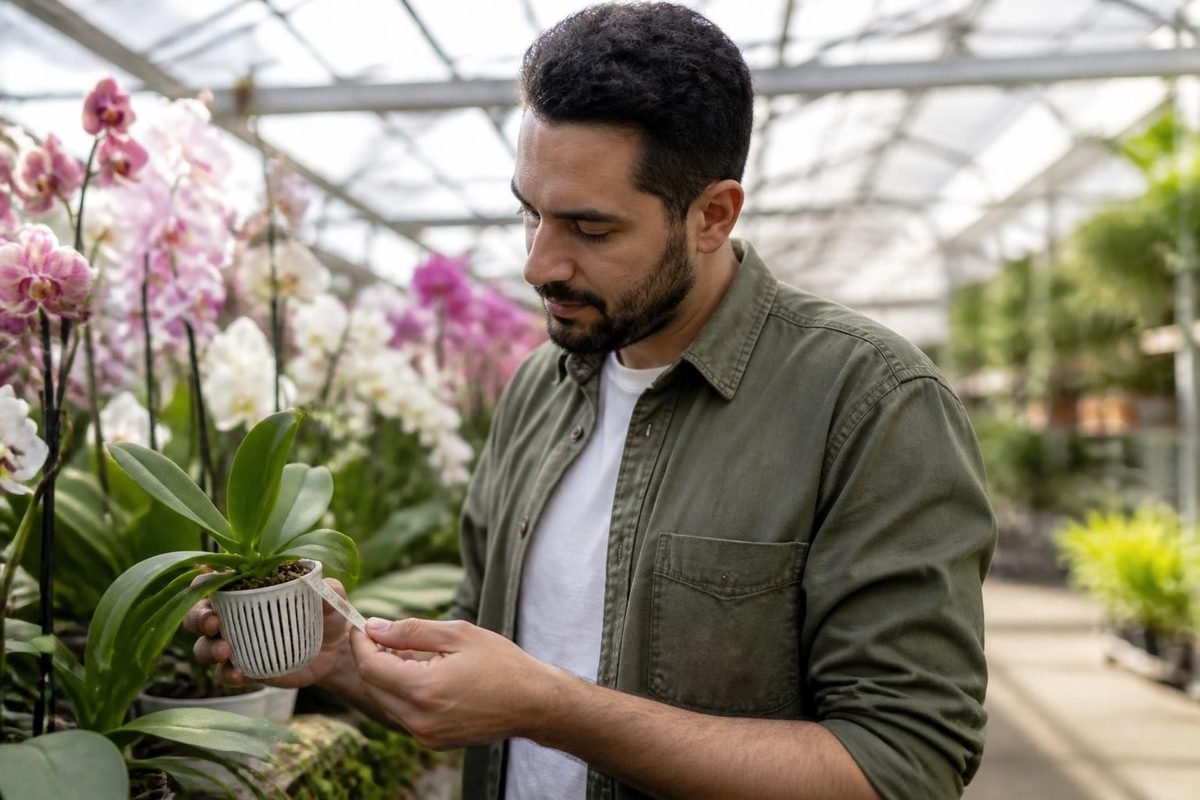
Start collecting rare orchids responsibly by choosing nursery propagated plants and checking their origins before you buy. Learn what each plant needs, keep any required paperwork, and resist the temptation to fill every windowsill at once.
Learn what makes an orchid rare
An orchid may be rare in cultivation, scarce in the wild, or both. Those are different things. A plant that is hard to find in collections is not necessarily endangered, while a threatened species may still be available from reputable growers who propagate it legally.
Look up the full scientific name, including the species name, before buying. Common names can cover several plants, and care advice for one may not suit another. Botanical gardens, orchid societies, and conservation organizations are useful places to learn about a species and its natural habitat.
Ask where the plant came from
Choose orchids propagated in cultivation rather than plants collected from the wild. Seed propagation and division of established cultivated plants are ways growers can produce orchids without taking them from natural habitats.
Ask the seller how the plant was propagated and how long it has been in cultivation. A clear answer is more useful than a vague claim that a plant is sustainable. If the origin is uncertain or the seller will not answer, leave the plant behind. There will be other orchids, and probably other tabs open on your screen.
Be especially cautious with plants offered as freshly collected or with wild origin presented as a selling point. Removing orchids can harm small populations, and plants taken from their habitats may also struggle to adapt to a home.
Check the rules before buying
Orchids are covered by the Convention on International Trade in Endangered Species, known as CITES. The paperwork required for international trade depends on the species, its origin, and the circumstances of the trade. National and local rules may also apply.
Before ordering across a border, check the requirements with the relevant authorities in both countries. Import rules can include plant health documents as well as CITES permits. Do not assume a seller has handled everything: ask for copies of the relevant documents and keep them with your records.
Build a collection you can care for
Start with one or two plants whose needs match the light, temperature, and humidity you can provide. Read about their roots, growing medium, watering, and seasonal changes before they arrive. A rare orchid is not obliged to enjoy a sunny radiator shelf.
Keep new arrivals separate from your other plants at first and inspect them for pests. Label each orchid with its scientific name, source, and purchase date. Good records help you follow its care and preserve its history if you later share a division.
Questions about responsible orchid collecting
Can a rare orchid be grown from seed?
Yes. Many orchids can be propagated from seed, although the process often requires specialized conditions. Ask the grower about the origin of the seedlings.
Is buying locally always legal?
Not necessarily. Rules vary by place and species, so check local requirements and ask about the plant's origin.
Should I buy a struggling orchid to rescue it?
First consider its source and your ability to care for it. Buying a plant of uncertain origin can encourage more questionable sales.
Have a look at grave care from a distance